


Poor digestion affects millions of people daily, leaving them dealing with bloating, gas, constipation, and stomach discomfort. If you’re someone who struggles with digestive issues but doesn’t have access to a gym or prefers working out at home, you’re not alone. The good news? You can significantly improve your digestive health with simple home exercises for digestion that require zero equipment.
This guide is perfect for busy professionals, stay-at-home parents, seniors with mobility concerns, and anyone looking to support their gut health from the comfort of their living room. Whether you’re dealing with occasional bloating after meals or chronic digestive discomfort, these gentle movements can help get things moving naturally.
We’ll explore why exercise is essential for better digestion at home, covering the science behind how movement stimulates your digestive system. You’ll discover core strengthening exercises for digestive relief that target your abdominal muscles to reduce bloating and improve gut function. We’ll also share simple walking routines for digestive health that you can do indoors, plus specialized exercises for specific digestive issues like constipation and gas buildup.
By the end, you’ll have a complete toolkit of digestive health workouts you can start using today – no gym membership required.
Why Exercise is Essential for Better Digestion at Home
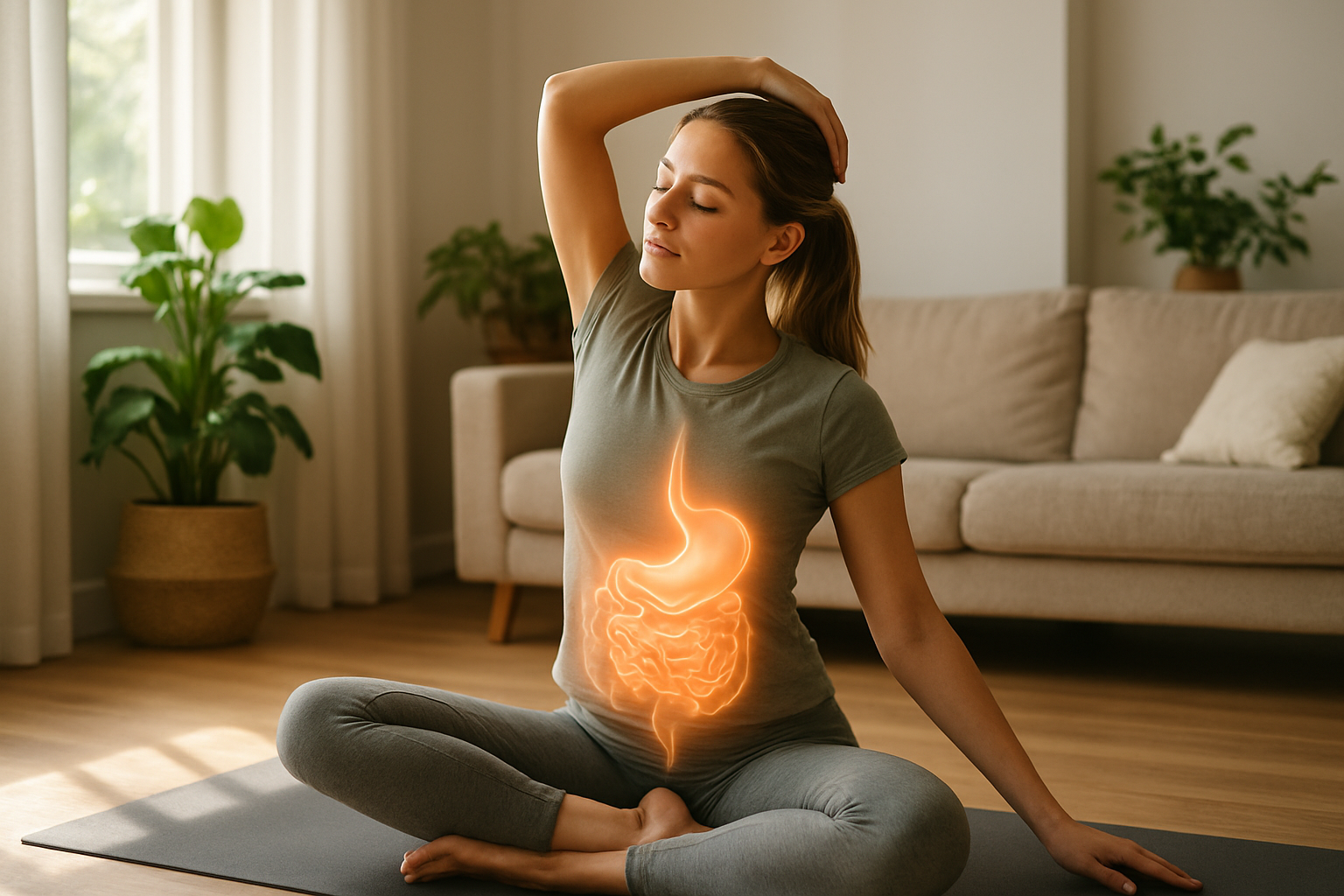
How Exercise Provides Natural Digestive System Massage
Adopting a consistent exercise routine provides your digestive system with a gentle massage, helping you digest food better. This natural massaging effect occurs as physical movement stimulates the abdominal organs and surrounding muscles, promoting more efficient food processing throughout your digestive tract.
Exercise Activates Bowel Movements and Digestive Enzymes
Regular exercise can activate bowel movements and digestive enzymes, which is particularly beneficial if you suffer from constipation. Physical activity stimulates the natural contractions of your intestinal muscles, encouraging proper waste elimination while enhancing enzyme production for better nutrient absorption.
Improved Blood Circulation Enhances Digestive Function
Regular exercise improves blood circulation and helps stimulate and energize your nervous, muscular, and endocrine systems. Enhanced circulation ensures your digestive organs receive adequate oxygen and nutrients, while the activated nervous system better coordinates digestive processes for optimal gut health.
Exercise Supports Healthy Gut Microbiome Development
Healthy gut microbiome is maintained by a good diet and effective workout, which is crucial as much of the immune system is within the digestive system. Exercising assists in the production of Vitamin B and K, essential in the digestive process, while helping deal with aggression from other microorganisms, maintaining the wholeness of your intestinal mucus.
Core Strengthening Exercises for Digestive Relief
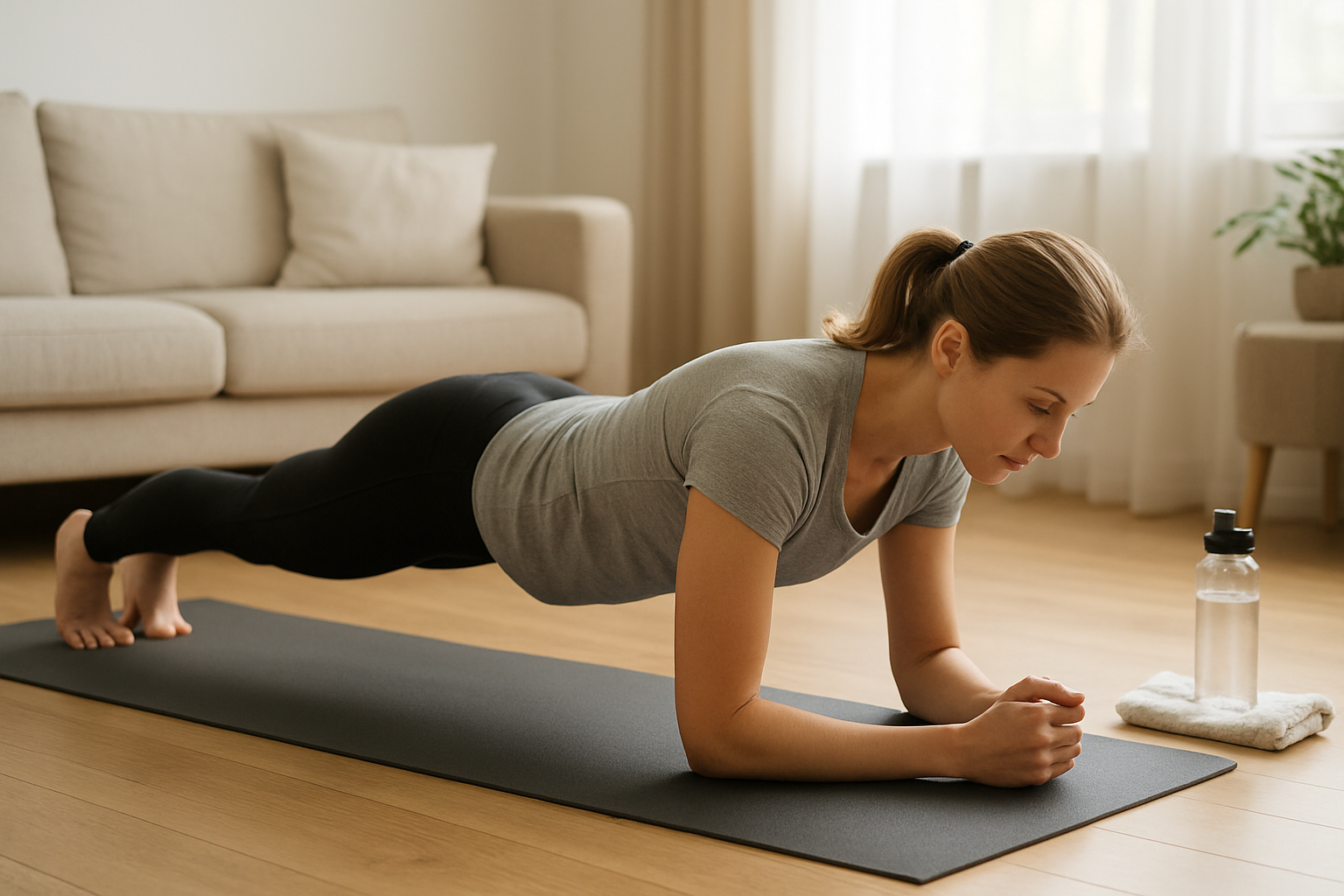
Sit-ups and Crunches to Reduce Bloating and Gas
Core strengthening exercises for digestive relief, particularly sit-ups and crunches, effectively reduce bloating and gas build-up when incorporated into your routine four to five times weekly. These abdominal exercises target gut health by promoting better digestive function through targeted muscle engagement, making them essential home exercises for digestion improvement.
Proper Form and Frequency for Maximum Benefits
Start your core exercises for gut health with eight to ten repetitions, allowing your body to gradually adapt to the movement. As your exercise tolerance builds over time, you can progressively increase your routine intensity and repetition count. This measured approach ensures sustainable progress while maximizing the digestive benefits of your home workout for stomach problems.
Safety Tips for Abdominal Exercises
Always perform abdominal exercises such as sit-ups and crunches on an empty stomach to prevent negative health impacts. This timing consideration is crucial for digestive health workouts, as exercising with food in your system can interfere with proper digestion and potentially cause discomfort during your home fitness for digestive relief routine.
Simple Walking Routines for Digestive Health
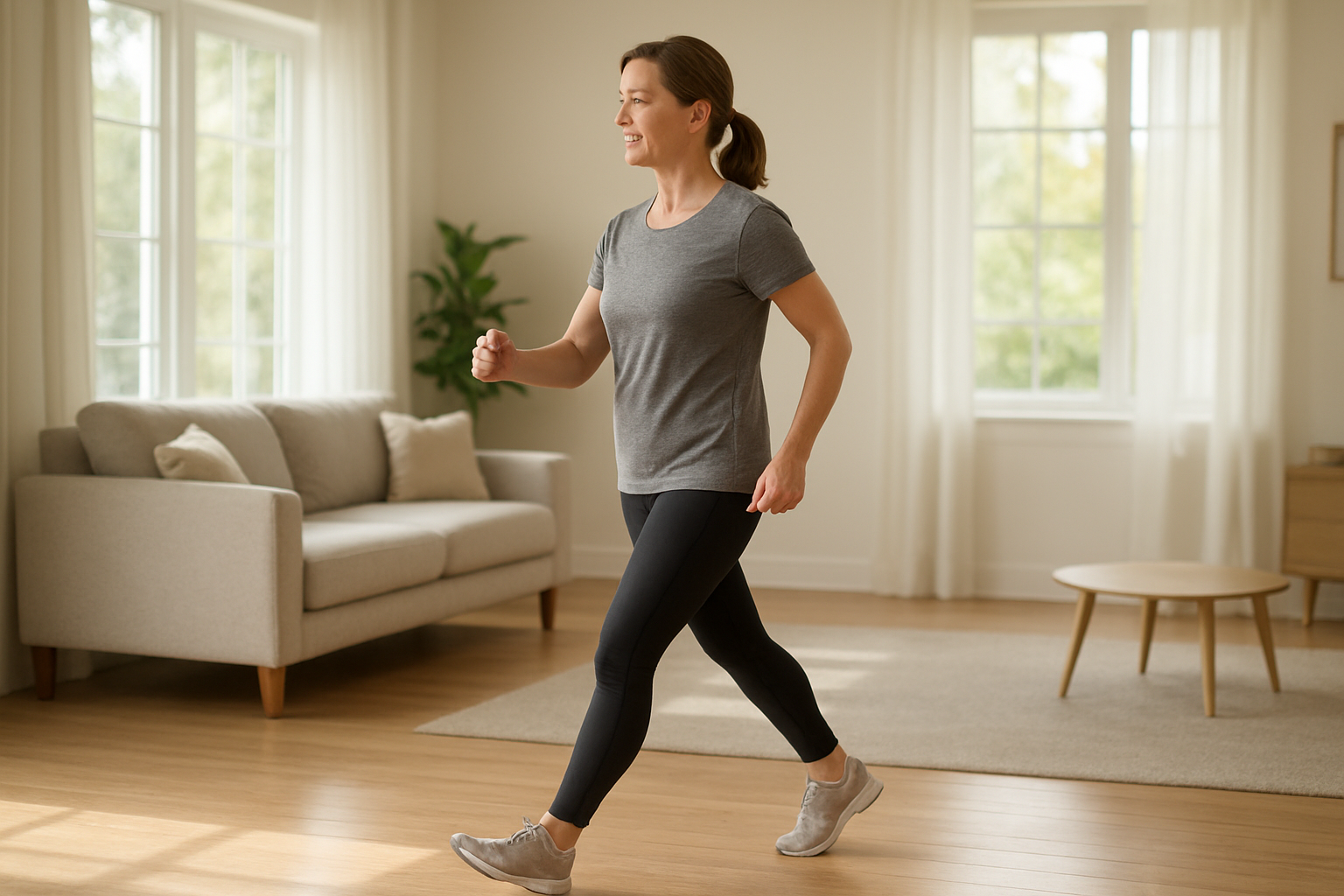
Brisk Walking to Stimulate Gastrointestinal Movement
Brisk walking serves as an easy and simple exercise that stimulates your gastrointestinal system into movement. The movement stimulated by walking invigorates your gastrointestinal system to contract, effectively aiding in the digestion of waste and food through the digestive organs.
How Walking Reduces Gas and Promotes Regular Bowel Movements
As a result of walking for digestive health, you will experience less swelling and gas throughout your gastrointestinal tract, as well as more normal defecations. This gentle movement helps activate your digestive system naturally without requiring intense physical exertion.
Easy Ways to Incorporate Walking into Daily Routine
Walking is an ideal exercise to incorporate into your daily routine due to its simplicity and effectiveness in enacting your stomach-related framework. This accessible form of movement requires no special equipment and can be performed anywhere in your home.
Specialized Exercises for Specific Digestive Issues
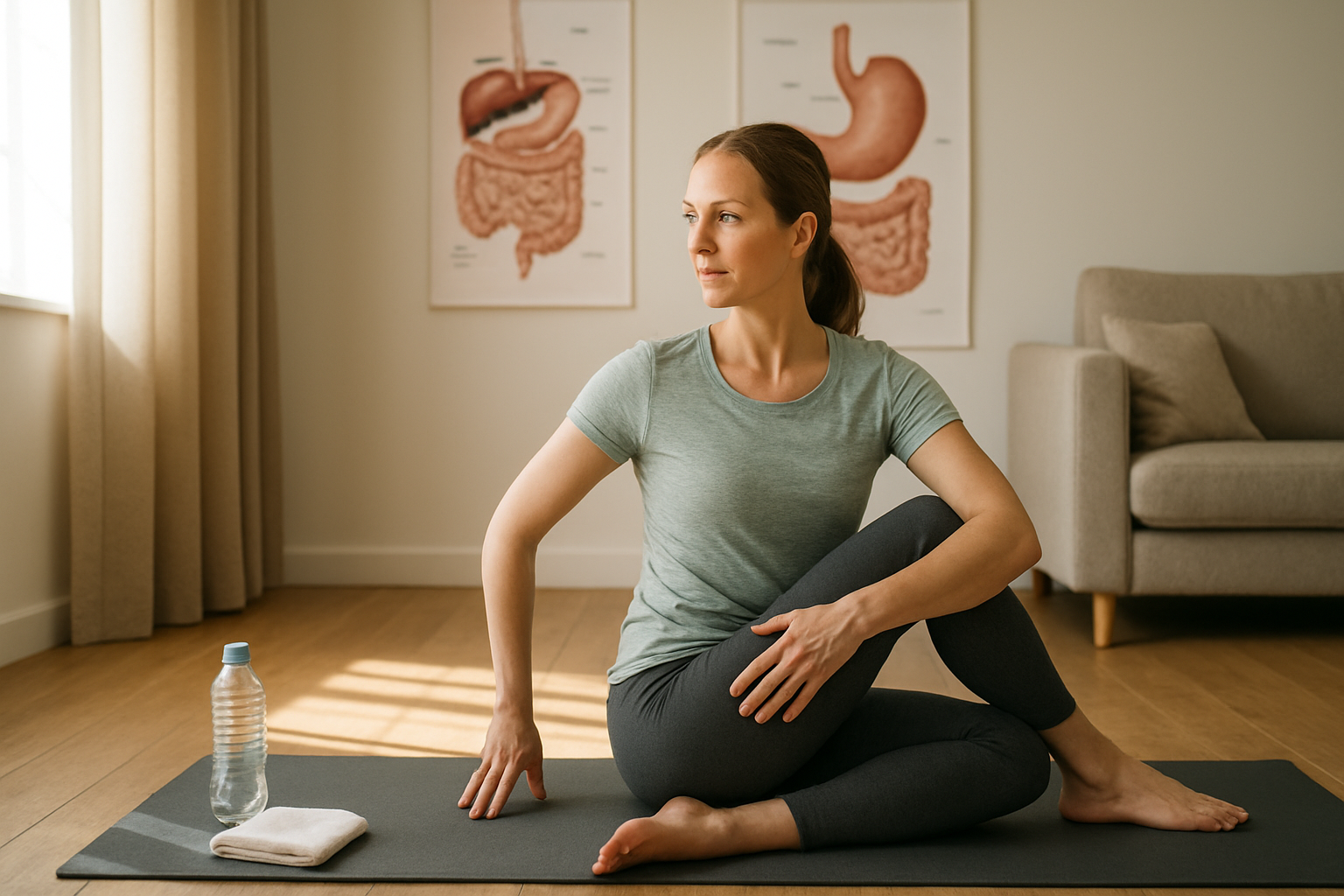
Pelvic Floor Exercises for Bowel Control Problems
Pelvic floor exercises offer an effective solution for fecal incontinence by strengthening the pelvic floor muscles that assist with defecation and bladder control. These targeted home exercises for digestion help address bowel control issues naturally.
Biking for Faster Food Movement Through Digestive Tract
Stationary biking facilitates quick movement of food through your digestive tract, effectively accelerating digestion within your body. This digestive health workout promotes optimal gut motility from the comfort of your home.
Reducing Water Loss in Stools Through Cycling
Regular cycling helps reduce water loss in stools, which significantly improves overall digestion. This exercise for better digestion optimizes your body’s natural digestive processes while providing effective digestive relief at home.
Creating Your Home Exercise Routine for Better Digestion
Starting with Beginner-Friendly Repetitions and Duration
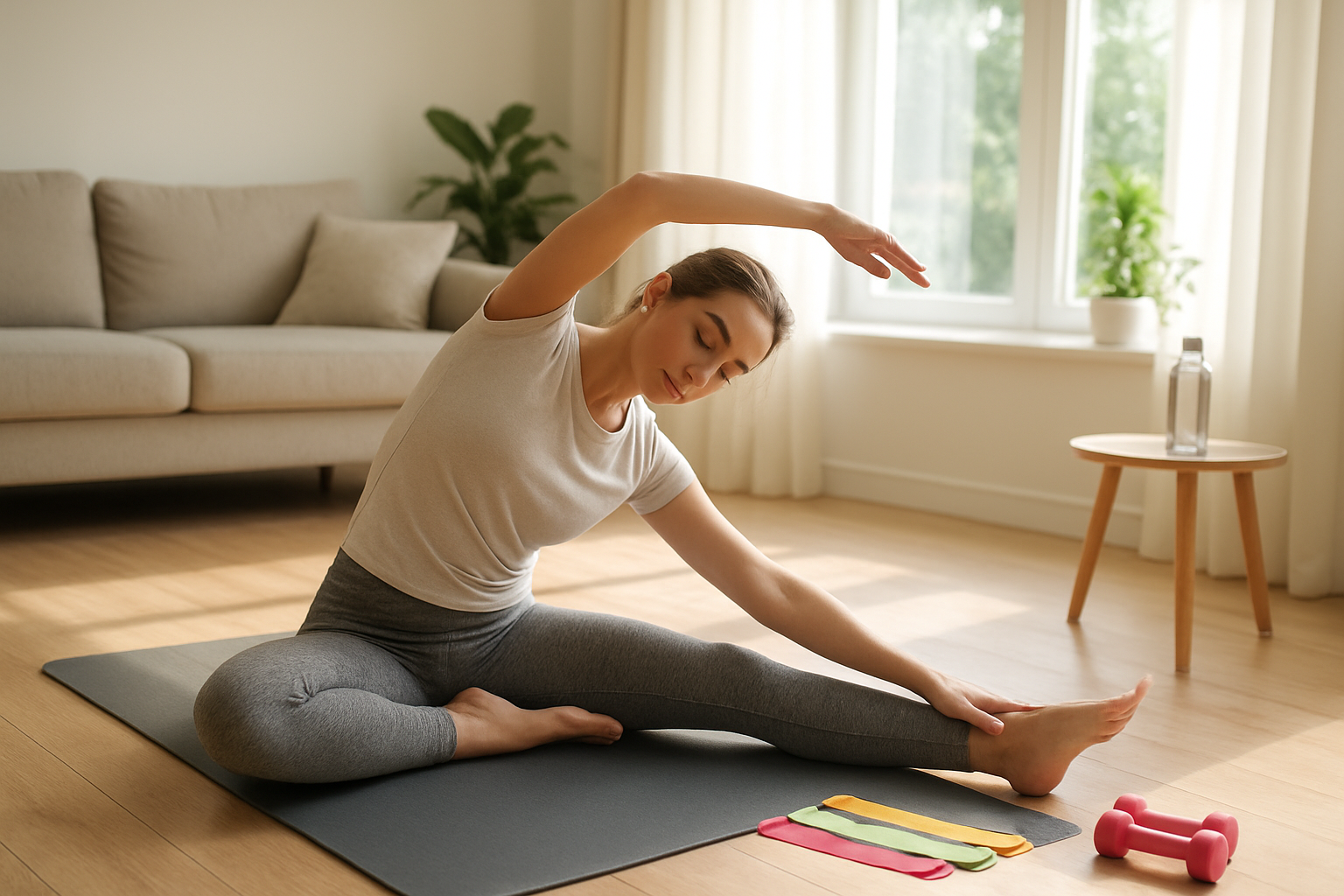
When establishing your home exercises for digestion routine, begin with eight to ten repetitions for core-strengthening movements like sit-ups or crunches. This moderate starting point allows your digestive system exercises to build effectiveness without overwhelming your body. Starting conservatively with these digestive health workouts ensures you can maintain consistency while your body adapts to the new movement patterns that support gut health.
Building Exercise Tolerance Gradually Over Time
As your exercise tolerance builds over time, gradually increase both the duration and intensity of your home workout for stomach problems. This progressive approach to your digestive system exercises prevents strain while allowing the gut-muscle axis to strengthen naturally. Incrementally advancing your routine ensures that your core exercises for gut health become more effective as your body develops greater capacity for these beneficial movements.
Best Times to Exercise for Optimal Digestive Benefits
For maximum effectiveness of your home exercises for digestion, perform abdominal exercises such as sit-ups and crunches on an empty stomach. This timing strategy prevents negative health impacts while optimizing the benefits of your digestive health workouts. Exercising on an empty stomach allows your core exercises for gut health to work more efficiently, supporting improved digestion without competing with active digestive processes.
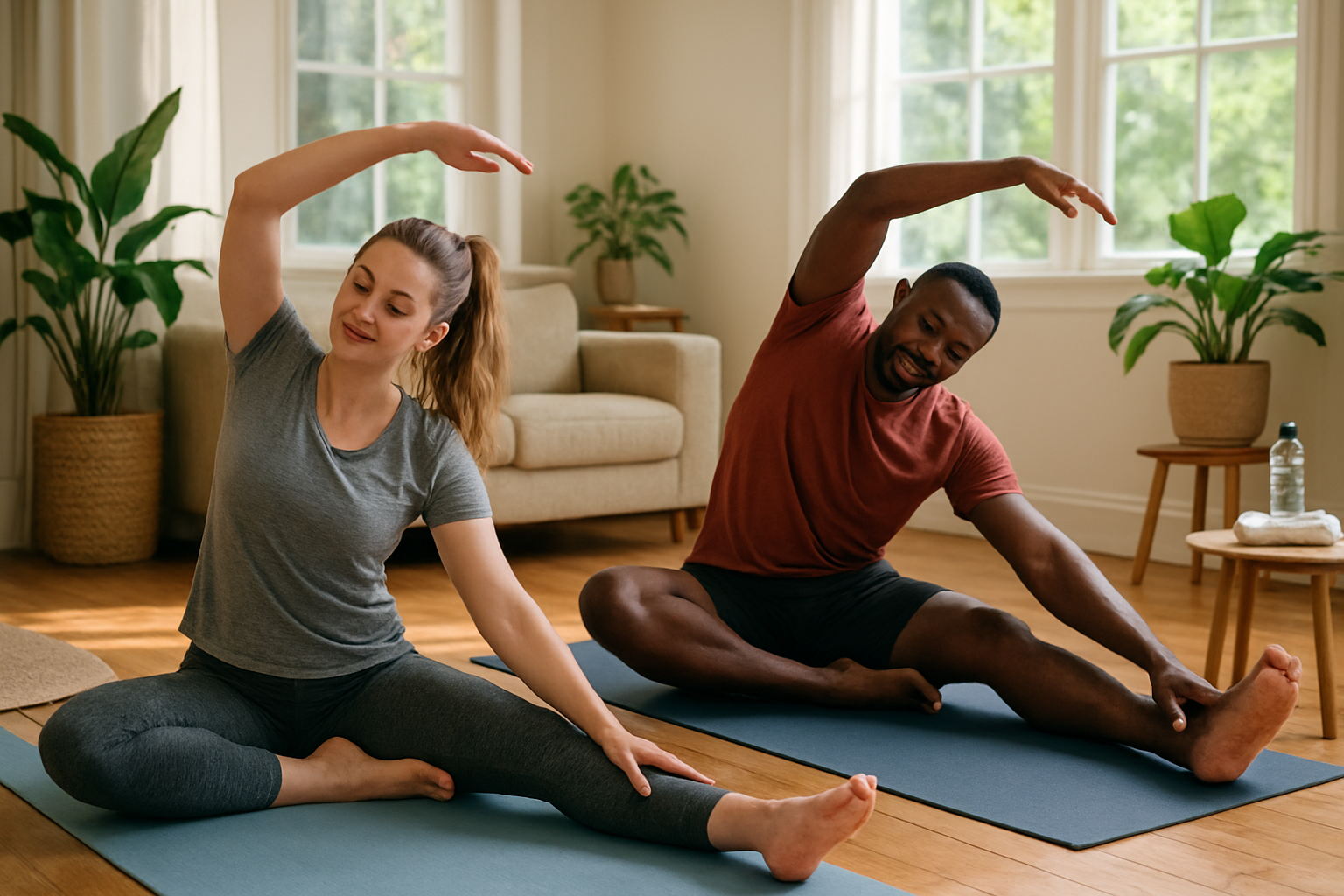
Taking care of your digestive health doesn’t require expensive gym memberships or complicated equipment. As we’ve explored, simple home exercises like core strengthening routines, regular walking, and specialized movements for specific digestive concerns can significantly improve your gut health. These exercises work by providing a gentle massage to your digestive system, activating bowel movements, improving blood circulation, and helping your body process food more efficiently.
The key to success lies in consistency and creating a sustainable routine that fits your lifestyle. Start with basic exercises like sit-ups or brisk walking, then gradually incorporate yoga poses and targeted movements based on your specific needs. Remember that regular exercise not only helps reduce bloating and gas but also supports your body’s production of essential vitamins and maintains a healthy gut microbiome. By committing to just a few minutes of digestive-focused exercise each day, you can experience less discomfort, more regular bowel movements, and increased overall energy levels right from the comfort of your home.