

Your home workouts aren’t delivering results, and it’s probably because you’ve fallen for these widespread fitness myths.
If you’re a busy professional, parent, or anyone trying to get fit from home but feeling stuck with your progress, you’re not alone. Most people working out at home are unknowingly sabotaging their own success by following outdated advice that simply doesn’t work.
The fitness world is packed with misinformation, and home workout myths spread faster than facts. You might think constantly switching routines keeps your muscles “confused,” or that the soreness after your workout means you’re building muscle. These common home fitness mistakes are exactly why you’re not seeing the changes you want.
We’re about to debunk seven major home exercise myths that are holding you back. You’ll discover why switching your workout routine every week actually hurts your progress, learn the truth about spot fat reduction (spoiler: those endless crunches won’t melt belly fat), and find out why soreness isn’t the success metric you think it is.
Stop wasting time on methods that don’t work. Let’s bust these fitness myths so you can finally see real results from your home workouts.
Stop Constantly Changing Your Workout Routine
Why Muscle Confusion Actually Hurts Your Progress
Changing your workout routine too frequently can be counterproductive and lead to inconsistent results. The concept of “muscle confusion” lacks conclusive scientific evidence for its effectiveness in promoting ongoing adaptation, despite being a popular home workout myth. Frequent changes disrupt progress and make it challenging to apply the principle of progressive overload, which is essential for building strength and muscle.
The Power of Progressive Overload Over Random Variation
To maximize results, stick to the same core exercises for 4 to 12 weeks, focusing on steady progress. Increase intensity gradually by adding weight, performing more reps, or incorporating techniques like drop sets, supersets, or eccentric loading to ensure consistency and measure improvements. This approach delivers effective home workouts that actually produce visible results.
Abandon the Myth of Spot Fat Reduction
Why Targeted Fat Loss Doesn’t Work
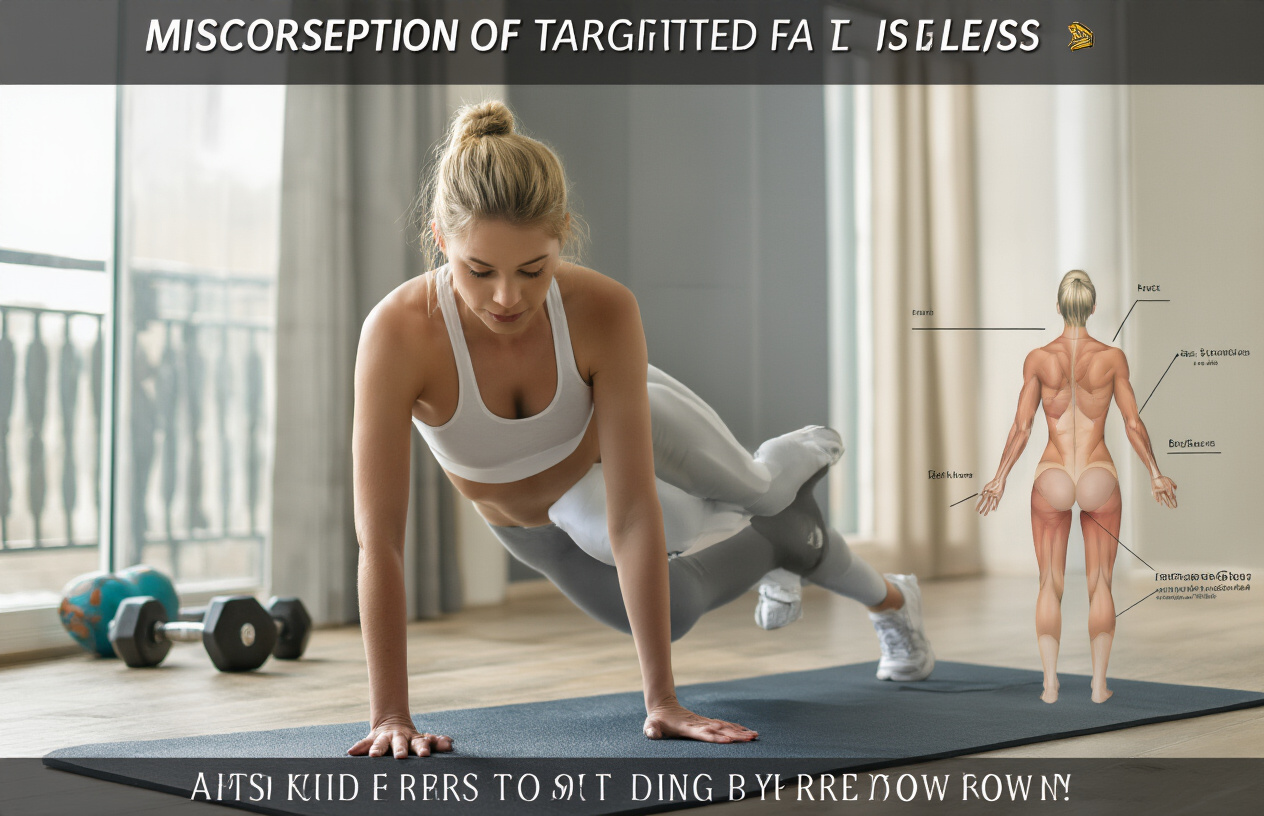
Research consistently shows that targeting fat loss in specific areas through calorie restriction or localized training is a common myth that simply doesn’t work. Despite countless home workout myths suggesting otherwise, spot reduction has been thoroughly debunked by scientific evidence. Many home fitness mistakes stem from believing that doing endless crunches will eliminate belly fat or that arm exercises will reduce arm fat specifically.
How Your Body Actually Burns Fat
Fat loss occurs evenly throughout the body when an individual maintains a caloric deficit. Your body doesn’t selectively burn fat from areas you’re exercising – instead, it draws from fat stores across your entire body based on genetics and hormonal factors. Understanding this fundamental principle is crucial for achieving effective home workouts and seeing actual home fitness results.
The Right Way to Build Muscle in Specific Areas
While spot fat reduction doesn’t work, proper nutrition and consistent resistance training can help strengthen and build muscles in targeted areas. This muscle building is completely distinct from localized fat loss. Focus on progressive overload and compound movements during your home training to build lean muscle mass, which will improve your physique as overall body fat decreases through proper nutrition.
Don’t Use Soreness as Your Success Metric

What Delayed-Onset Muscle Soreness Really Means
Delayed-onset muscle soreness (DOMS) is caused by microscopic tears in muscle fibers from new or intense activity, typically appearing 24 to 48 hours post-exercise. This common home workout myth leads many fitness enthusiasts to believe that soreness equals progress, but DOMS is not necessarily an indicator of muscle growth.
Why Excessive Soreness Can Derail Your Progress
Excessive soreness can hinder long-term consistency by making exercise feel uncomfortable and increasing the likelihood of skipping workouts. It can also be a sign of overtraining, which raises the risk of injury and undermines your home fitness results.
Master the Right Type of Stretching at the Right Time

Dynamic Stretching Before Workouts for Better Performance
Dynamic stretching involves movement and is ideal before exercise to raise muscle temperature, improve flexibility, and reduce stiffness. This type of stretching prevents injuries and enhances performance by preparing your muscles for the workout ahead. Many home fitness mistakes stem from skipping this crucial warm-up phase.
Why Static Stretching Pre-Workout Reduces Your Power
Research indicates that performing static stretches before exercise can negatively impact your strength and power output. This common workout mistake at home can sabotage your fitness results before you even begin your main training session.
Post-Workout Static Stretching for Maximum Benefits
Static stretching is better suited for post-workout routines when your muscles are already warmed up. Post-workout static stretching leads to deeper stretches and greater flexibility by leveraging your muscles’ increased range of motion and mobility after exercise.
Build Muscle Without Always Lifting Heavy
Alternative Techniques That Promote Muscle Growth
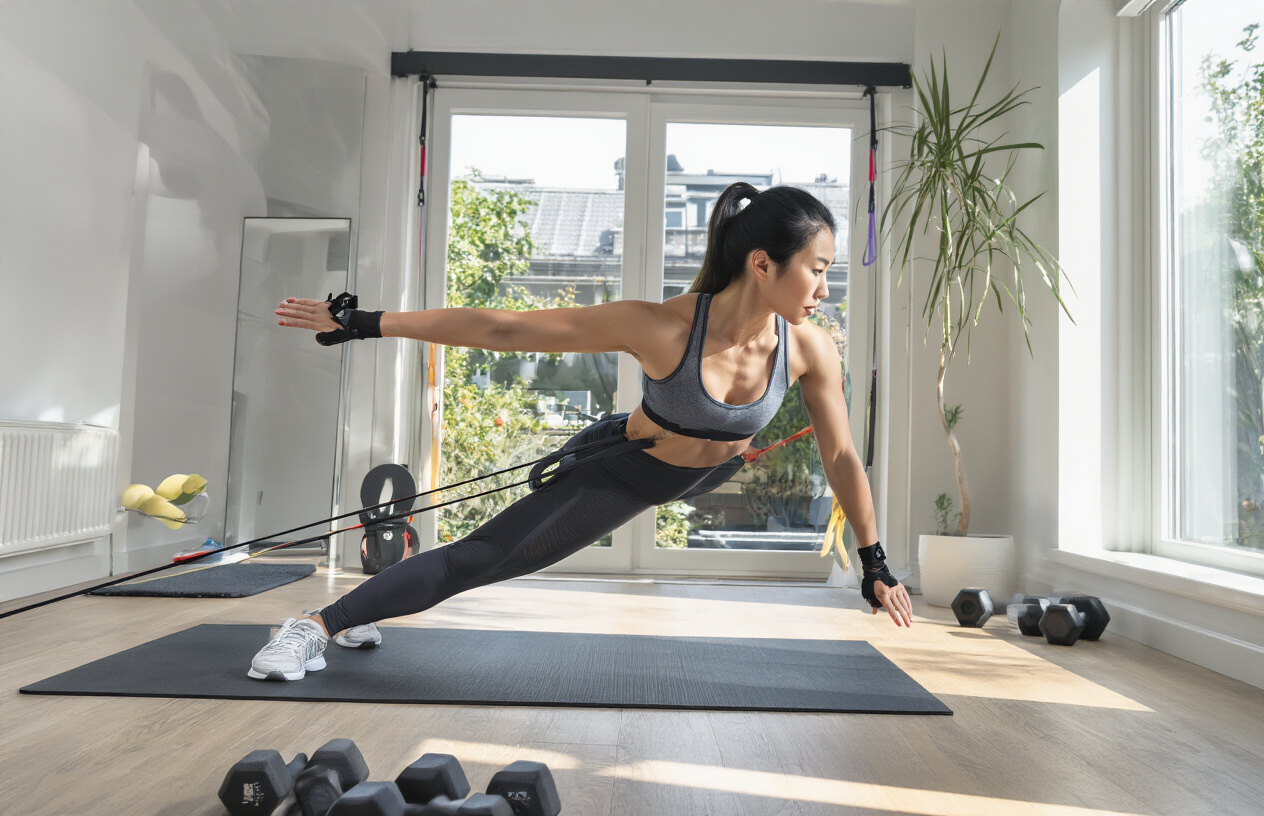
While lifting heavy weights remains effective for muscle development, it’s not the only path to results. Alternative techniques such as tempo training, rest-pause sets, and increasing repetitions can equally stimulate muscle growth without requiring maximum loads.
Safer Methods for Those Who Can’t Lift Heavy
These alternative approaches provide safer and equally effective solutions for individuals who need to avoid heavy loads. Whether due to injury concerns, equipment limitations, or physical restrictions, these methods ensure continued progress while minimizing risk of strain or injury during your home fitness routine.
Skip the Fasted Cardio Obsession

Why Fasted Cardio Isn’t Superior for Fat Loss
The idea behind fasted cardio is that the body will use stored fat for energy during the workout, but research on its effectiveness for fat loss is inconsistent and inconclusive. This common home workout myth has led many fitness enthusiasts to wake up early for empty-stomach sessions, believing it’s the key to accelerated results.
The Real Driver of Fat Loss: Calorie Deficit
Fat loss is primarily driven by maintaining a calorie deficit, regardless of whether cardio is performed fasted or fed. Fasted cardio remains ineffective for fat loss if daily calorie intake exceeds what is burned. Training on an empty stomach can negatively impact performance for some individuals due to reduced energy levels and lack of pre-workout fuel, potentially hindering your home fitness results.
Understand Why Ab Exercises Alone Won’t Give You a Six-Pack

The Role of Body Fat in Visible Abs
While strength training builds a strong core, visible abs depend on having low enough body fat. This is one of the most misunderstood home workout myths that prevents people from seeing results. Even the strongest abdominal muscles remain hidden beneath a layer of fat, making body fat percentage the determining factor for six-pack visibility.
Why Diet is More Important Than Exercise for Ab Definition
Achieving low body fat is heavily influenced by diet, hence the saying “Abs are made in the kitchen.” This common home fitness mistake leads many to focus exclusively on crunches and planks while ignoring nutrition. A defined, stronger core is best achieved through mindful eating that creates the calorie deficit necessary for fat loss, making diet more crucial than exercise alone.
The Right Combination of Training and Nutrition for Results
Developing a six-pack requires combining effective training with a diet that maintains a calorie deficit and provides essential nutrients. Focus on satiating foods like fiber, healthy fats, and protein including oats, eggs, Greek yogurt, whole grains, fruits, vegetables, olive oil, brown rice, peanut butter, and seeds. Simultaneously, limit or avoid fried, processed, and high-sugar foods such as pastries, alcohol, and sugary soda to maximize your home workout results.

Breaking free from these seven workout myths is the key to unlocking your fitness potential at home. By maintaining consistent routines instead of constantly switching exercises, understanding that fat loss happens throughout your entire body, and recognizing that muscle soreness isn’t your success meter, you’re already ahead of most home fitness enthusiasts. Remember that dynamic stretching before workouts and static stretching afterward will serve you better, while building muscle doesn’t always require heavy weights—tempo training and increased reps can be just as effective.
The path to visible results lies in combining science-backed training methods with proper nutrition. Skip the fasted cardio obsession and focus on maintaining a caloric deficit through mindful eating and consistent exercise. Most importantly, understand that no amount of ab exercises alone will reveal a six-pack—visible abs require low body fat levels achieved through a combination of effective training and a nutrient-dense diet. Start applying these evidence-based principles today, and watch as your home workouts finally deliver the results you’ve been working toward.