

Struggling with sleep quality but can’t overhaul your entire bedtime routine? This 5-minute sleep hack will transform your nights without forcing you to change when you go to bed or wake up.
Perfect for busy professionals, parents, and anyone who needs better sleep fast, this quick approach focuses on simple tweaks that deliver real results. You don’t need to become a morning person or give up your Netflix time – just make small adjustments that work with your current lifestyle.
We’ll walk through how optimizing your light exposure can naturally boost your body’s sleep signals in minutes. You’ll also discover how to create the perfect sleep environment using items you already have at home, plus learn strategic timing for meals and exercise that improves sleep quality without disrupting your day. Finally, we’ll cover smart napping techniques and natural sleep aids that enhance your rest rather than sabotage it.
Optimize Your Light Exposure for Better Sleep

Get bright light exposure in the morning to wake up naturally
Exposing yourself to light in the morning helps your body wake up naturally and sets the foundation for better sleep quality fast. Open your curtains, take a walk outside, or simply relax on your porch to harness natural light exposure for better sleep optimization. This simple light exposure technique works as an effective sleep hack no schedule changes required, making it perfect for busy lifestyles.
Dim lights and avoid screens 2-3 hours before bedtime
At night, dimming bright lights becomes crucial for your sleep environment optimization. Avoid glowing electronic screens from computers, smartphones, or television during evening hours, as screen glow can stimulate your brain for several hours. This creates a natural transition that supports better sleep tips without requiring major routine adjustments.
Use darkness to trigger natural melatonin production
Darkness tells your brain to produce more melatonin, making you feel drowsy and ready for rest. Conversely, light exposure stops melatonin production, keeping you awake and alert when you should be winding down. Creating complete darkness serves as one of the most effective sleep hygiene hacks for transforming your sleep routine naturally.
Create the Perfect Sleep Environment

Eliminate noise distractions from your bedroom
Creating a quiet sleeping environment is essential for quality rest, as loud, distracting noises can make falling or staying asleep extremely difficult. Start by removing obvious noise sources from your bedroom – keep your television out of the bedroom entirely and ensure it’s turned off. Additionally, turn off your cellphone or switch it to silent mode to prevent notifications from disrupting your sleep environment optimization.
Use white noise or earplugs to mask unavoidable sounds
If you live in a noisy area where complete silence isn’t achievable, white noise provides an excellent solution for better sleep tips. This soothing, steady sound effectively masks environmental noise and can be generated using devices like a fan, air conditioner, or dedicated white noise machine. For maximum sound blocking, consider wearing earplugs to create an additional barrier against outside sounds that could interfere with your rest.
Time Your Meals and Drinks for Quality Sleep
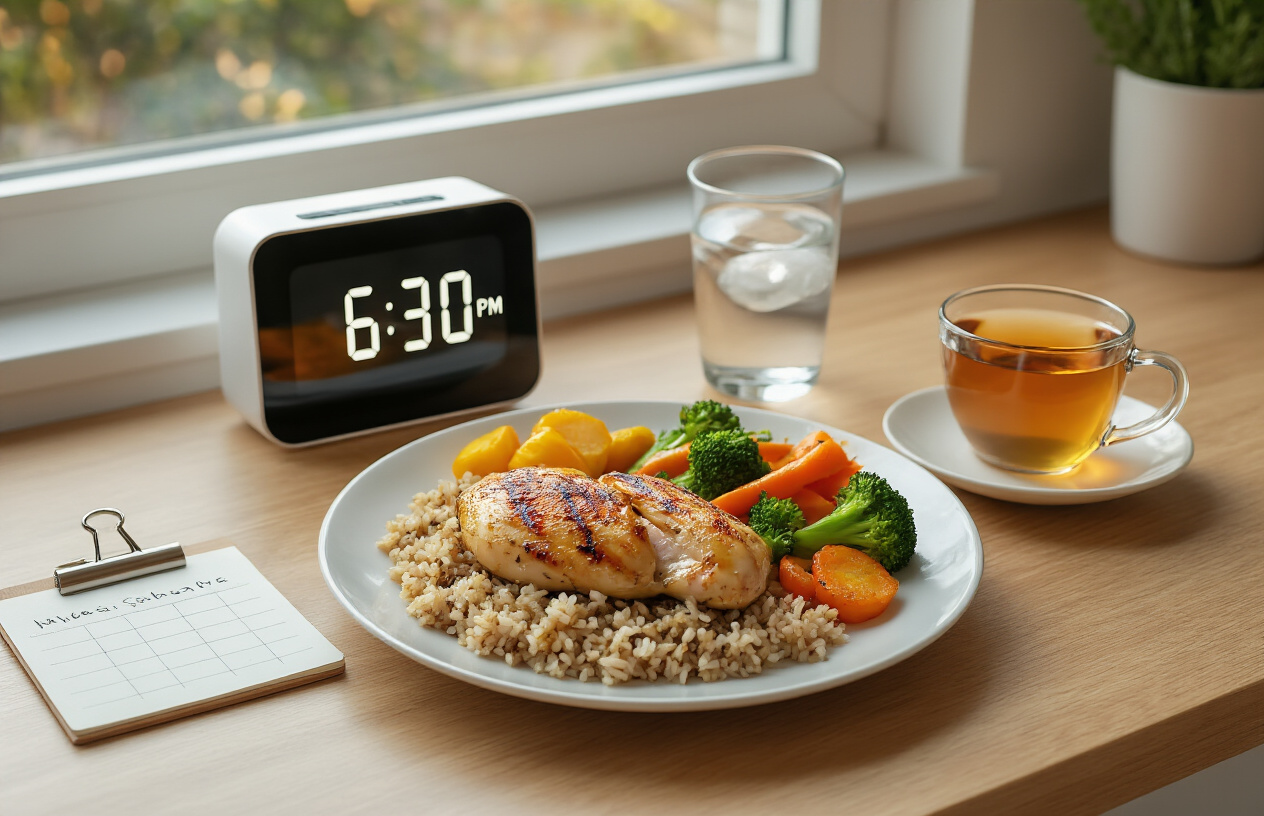
Finish eating 2-3 hours before bedtime
Your digestive system needs adequate time to process food before sleep. Finish your last meal 2 to 3 hours before bed to allow your body enough time to digest properly. This timing prevents your metabolism from working overtime while you’re trying to rest, which can significantly improve sleep quality fast.
Avoid heavy, high-fat meals that disrupt digestion
Heavy, high-fat meals can seriously disrupt your sleep due to slow digestion or heartburn. These foods require more energy to break down, keeping your body active when it should be winding down. Cut off caffeinated drinks like coffee, tea, or energy drinks before midafternoon, as caffeine takes several hours to wear off. Skip alcohol before bed, as it disrupts sleep and circadian rhythm despite making you drowsy. If you need a bedtime snack, choose a light combination of carbs and protein, such as wheat toast and almond butter.
Use Strategic Exercise to Improve Sleep Quality

Get 30 minutes of moderate aerobic exercise at least 5 times per week
Regular physical activity serves as one of the most effective sleep quality enhancement strategies available. Aim for 30 minutes of moderate aerobic activity at least five times a week to significantly improve your sleep patterns. This consistent exercise routine helps regulate your body’s natural sleep-wake cycle and prepares your system for deeper, more restorative rest.
Time evening workouts to finish 1-2 hours before bedtime
If exercising in the evening fits your schedule better, finish your workout at least 1 to 2 hours before bedtime, as evening exercise can overstimulate your body. This timing allows your core body temperature and heart rate to return to baseline levels, preventing the energizing effects of exercise from interfering with your ability to fall asleep naturally.
Leverage exercise to naturally boost melatonin production
Regular exercise helps you sleep better by promoting melatonin production, your body’s natural sleep hormone. This natural boost in melatonin creates a more robust sleep-wake cycle without requiring any changes to your existing bedtime schedule, making it an ideal sleep optimization technique for busy lifestyles.
Master the Art of Napping Without Disrupting Night Sleep

Limit Naps to Under 30 Minutes When Necessary
When you need to nap, keeping it under 30 minutes is crucial for maintaining your natural sleep-wake cycle. This brief window allows you to experience restorative light sleep without entering deep sleep phases that can leave you groggy and interfere with nighttime rest.
Avoid Napping After 3 PM to Protect Nighttime Sleep
To protect your nighttime sleep quality, avoid napping after 3 p.m. Late afternoon naps can significantly reduce your body’s natural sleep pressure, making it difficult to fall asleep at your regular bedtime. Consider skipping afternoon naps entirely, as they can disrupt your circadian rhythm and compromise your ability to achieve deep, restorative sleep at night.
Consider Natural Sleep Aids When Needed

Use melatonin supplements safely and at proper doses
Melatonin, a hormone that regulates the sleep cycle, is available as a supplement and can promote relaxation when used as a natural sleep aid. Always follow the instructions on melatonin supplements to ensure you’re using the proper dose and maintaining safety throughout your sleep optimization journey.
Understand potential side effects and medication interactions
Be aware of possible side effects from melatonin supplements, including drowsiness, headache, nausea, and dizziness. These reactions can vary from person to person, making it essential to monitor your body’s response when incorporating this sleep hack into your routine.
Consult healthcare providers before starting supplements
Consult your doctor before using melatonin if you are taking other medications or have other health conditions. This precaution ensures that melatonin won’t interfere with your existing treatments and helps you achieve better sleep quality safely without compromising your overall health.
Better sleep doesn’t require a complete lifestyle overhaul – it’s about making strategic adjustments that work with your body’s natural rhythms. By optimizing your light exposure, creating the right environment, timing your meals and exercise properly, mastering strategic napping, and considering natural sleep aids when needed, you can significantly improve your sleep quality. These simple changes work together to support your circadian rhythm and help you fall asleep more easily.
The beauty of these sleep hacks lies in their flexibility – you can implement them gradually and adapt them to your existing routine. Start with one or two strategies that feel most manageable, whether it’s dimming lights in the evening, avoiding late meals, or creating a quieter sleep environment. Remember, consistency is key to resetting your internal clock and achieving the restorative sleep your body needs. If sleep problems persist despite these efforts, don’t hesitate to consult with your healthcare provider to rule out any underlying sleep disorders.
