

You’re crushing it at the gym and eating what you think are healthy foods, but the scale won’t budge. Sound familiar? Many fitness enthusiasts unknowingly choose foods that sabotage fitness goals, turning their best intentions into diet roadblocks.
This guide is for anyone who’s frustrated by slow progress despite eating “healthy” foods. We’ll expose the sneaky culprits hiding in your kitchen that pack hidden calories in healthy foods and cause unexpected weight gain.
You’ll discover why your morning granola bowl might contain more sugar than a donut, how those “nutritious” gluten-free snacks could be derailing your progress, and which portion control mistakes turn even the healthiest choices into calorie bombs. Get ready to spot the foods that have been working against you all along.
Healthy Breakfast Foods That Pack Hidden Calories and Sugar
Granola and Granola Bars Contain More Sugar Than You Think
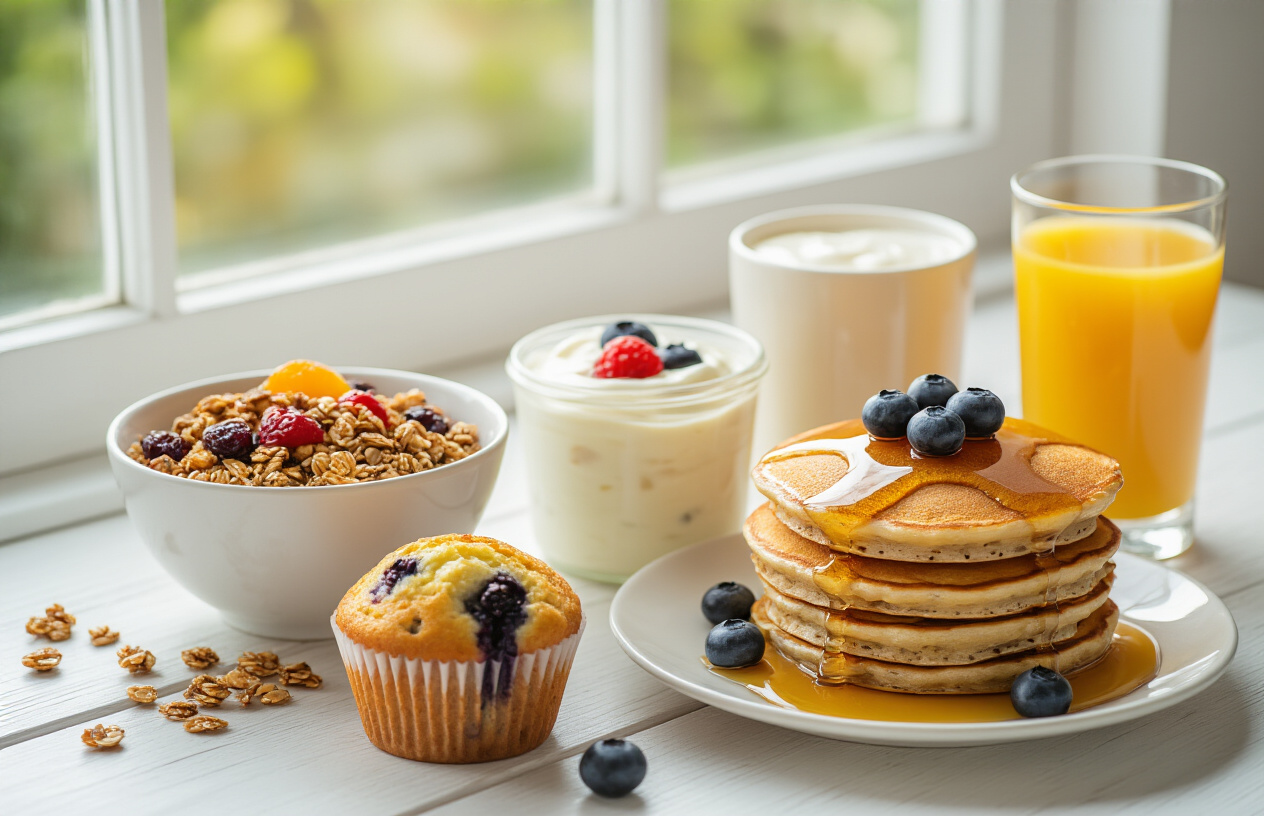
Granola often wears a health halo but many versions have high sugar content from honey, syrups, and sweetened dried fruits. Oils and fats used to toast granola can add extra calories, while small serving sizes of 1/4 to 1/2 cup are easy to exceed. A bowl of granola easily reaches 300 to 400 calories before adding milk or yogurt.
Smoothies and Acai Bowls Hide Multiple Fruit Servings and Added Sweeteners
These foods that sabotage fitness goals contain more sugar than expected due to fruit juices or sweetened milk bases, plus multiple fruit servings packed into one drink. Toppings like granola, nut butter, or honey add hundreds of extra calories while providing little protein or fiber, leading to less satiety and contributing to diet foods that cause weight gain.
Flavored Yogurt Contains Up to 20 Grams of Added Sugar Per Serving
Flavored yogurt varieties are loaded with added sugar, sometimes 15 to 20 grams per serving. “Fruit on the bottom” varieties are frequently high in added syrups or sugar, making them hidden calories in healthy foods. Even artificial sweeteners, while calorie-free, might interfere with gut health or increase cravings, representing common fitness diet mistakes.
Seemingly Nutritious Snacks That Derail Your Progress
Veggie Chips Are Just Processed Potato Products in Disguise
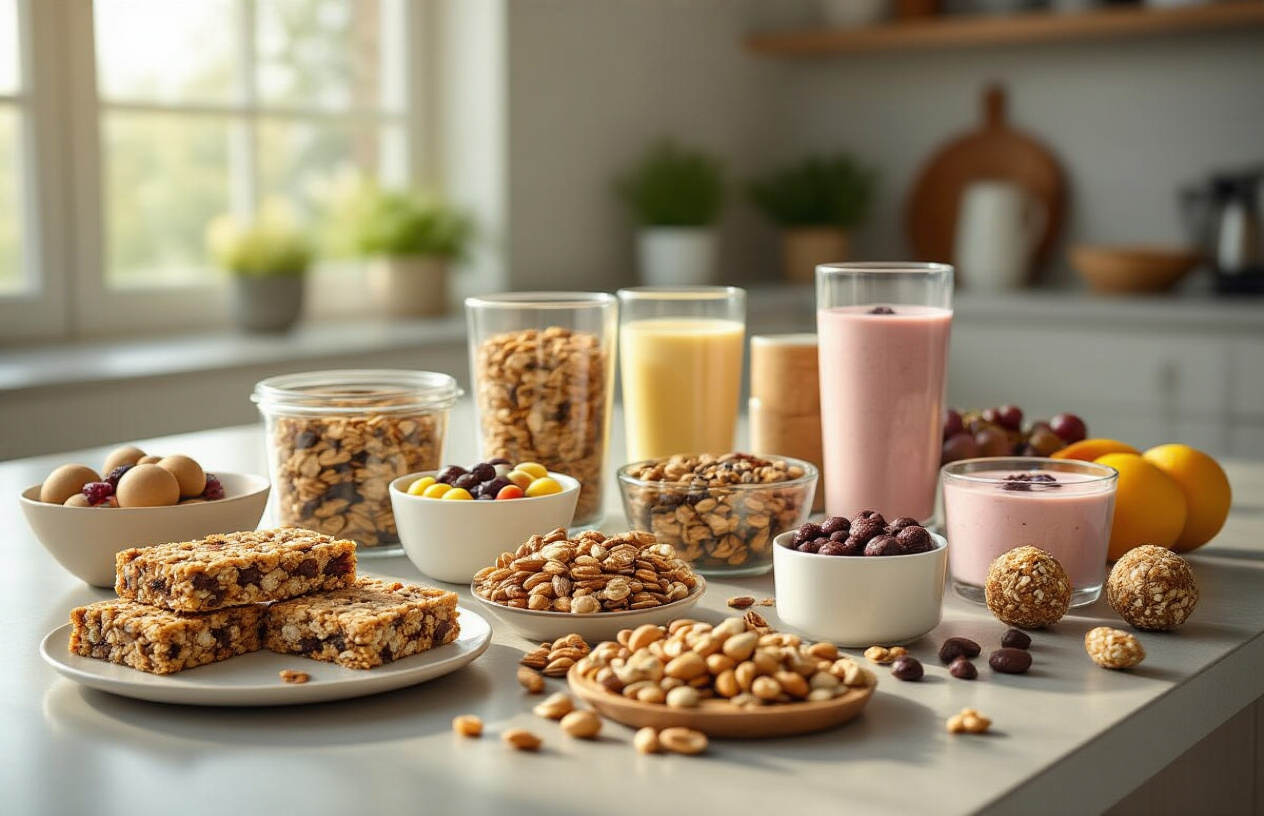
Veggie chips and straws might appear to be healthier alternatives, but they’re frequently just processed potato products in disguise. These seemingly nutritious snacks that aren’t healthy contain minimal actual vegetables, often in powdered form, combined with refined starches like potato or corn flour. With added salts and oils similar to regular chips, they provide little fiber and minimal satiety, making them among the foods that sabotage fitness goals.
Trail Mix Calories Add Up Fast with Sweetened Fruits and Chocolate
While nuts and dried fruit in trail mix are wholesome ingredients, calories add up fast when portion control mistakes occur. Sweetened dried fruits contain added sugars, and chocolate candies or yogurt-covered pieces significantly increase the caloric density. These hidden calories in healthy foods make trail mix a potential diet derailment, with ideal portions limited to around 1 ounce or 1/4 cup to prevent mindless snacking.
Protein Bars Often Resemble Candy Bars More Than Health Foods
Though protein bars can be smart snacks, many resemble candy bars due to added sugars and syrups like corn syrup and brown rice syrup. These processed healthy foods often contain low fiber, providing less satiety, while including saturated fats from palm oil or hydrogenated oils. Combined with artificial flavors and preservatives, these bars represent classic fitness diet mistakes disguised as nutritious options.
Gluten-Free and Diet Foods That Don’t Live Up to Their Health Claims
Gluten-Free Packaged Foods Use Refined Starches and Added Sugars
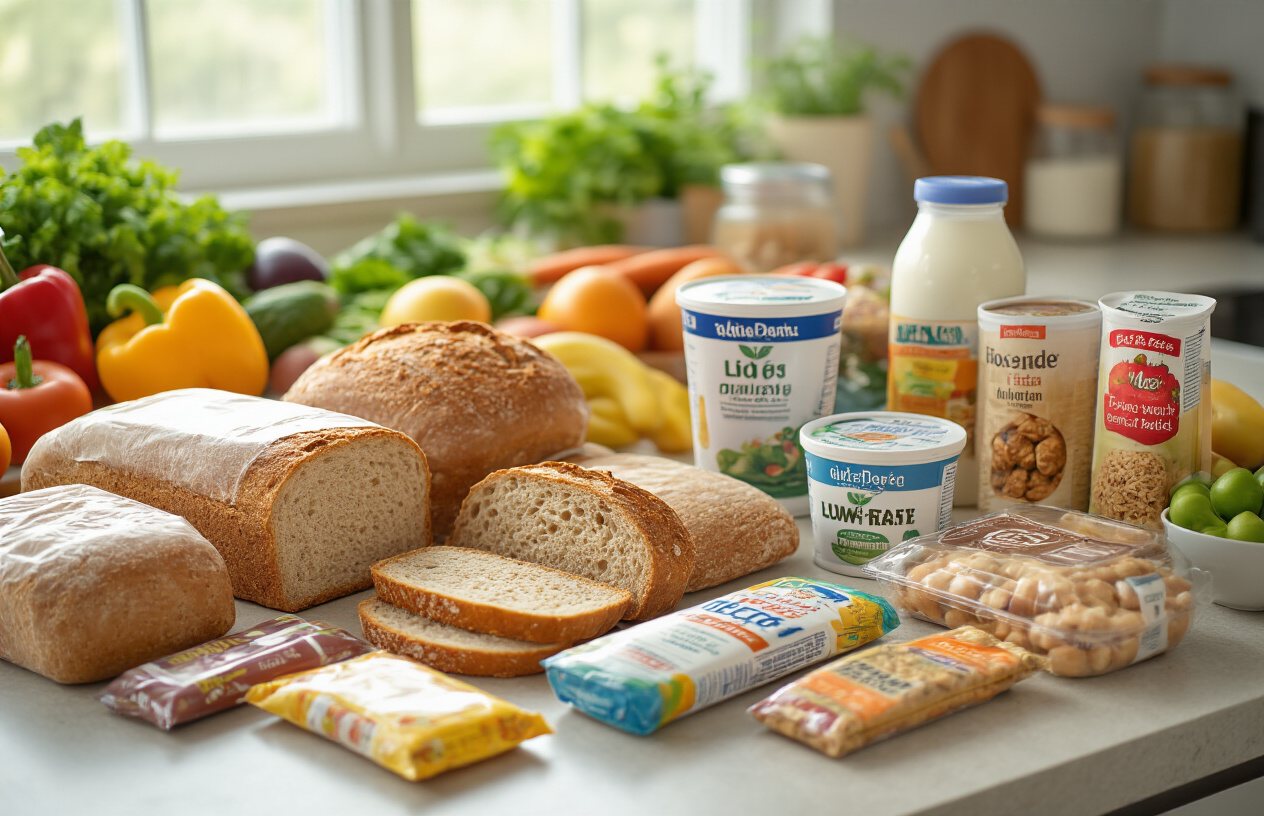
Gluten-free packaged foods don’t necessarily mean healthier options for your fitness goals. These products often rely on refined starches like white rice flour or tapioca starch, which are typically low in fiber and nutritional value. To compensate for texture and taste issues, manufacturers frequently add sugars and oils, creating gluten free foods weight gain potential that many dieters don’t anticipate.
Diet Products Replace One Problem Ingredient with Another
The calorie counts in these supposedly healthier alternatives can match or even exceed their regular counterparts, making them prime examples of foods that sabotage fitness goals. When processed healthy foods strip away gluten, they often become nutritionally inferior while maintaining similar caloric density, leaving consumers with hidden calories in healthy foods they never expected.
Fresh Foods That Become Calorie Bombs Through Processing
Fruit Juices Strip Away Fiber While Concentrating Natural Sugars
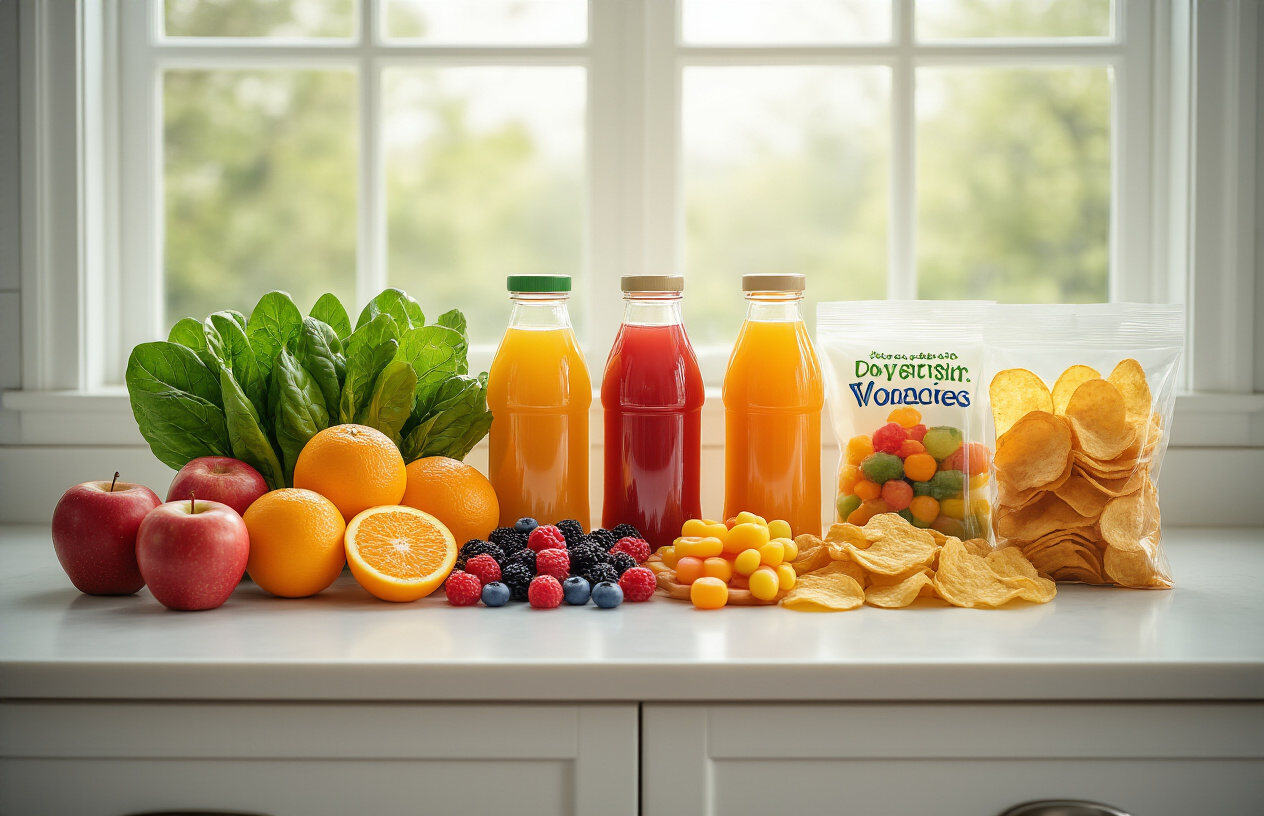
Drinking fruit might sound healthy, but the juicing process transforms nutritious whole fruits into processed healthy foods that can derail your fitness goals. When fruits are juiced, the fiber is stripped away while natural sugars become concentrated, creating hidden calories in healthy foods. For example, one cup of apple juice contains nearly 24 grams of sugar without the beneficial fiber found in a whole fruit. This lack of fiber reduces satiety and blood sugar control, leading to a natural sugar overload that can cause unexpected weight gain despite choosing what appears to be a healthy option.
Salad Toppings and Dressings Transform Low-Calorie Meals into High-Fat Dishes
Now that we’ve covered how processing affects fruits, let’s examine how fresh salads can become calorie bombs through common additions. A simple salad can quickly transform into a heavy, high-fat dish depending on the toppings and dressings you choose. High-calorie culprits include creamy dressings like ranch or Caesar, candied nuts that are sugar-coated and calorie-dense, bacon bits, cheese, and croutons that are often fried while adding minimal nutrition. These portion control mistakes turn what should be a light, nutritious meal into one of those foods that sabotage fitness goals.
Portion Control Pitfalls That Sabotage Even Healthy Choices
Oversized Wraps Contain More Calories Than Two Slices of Bread
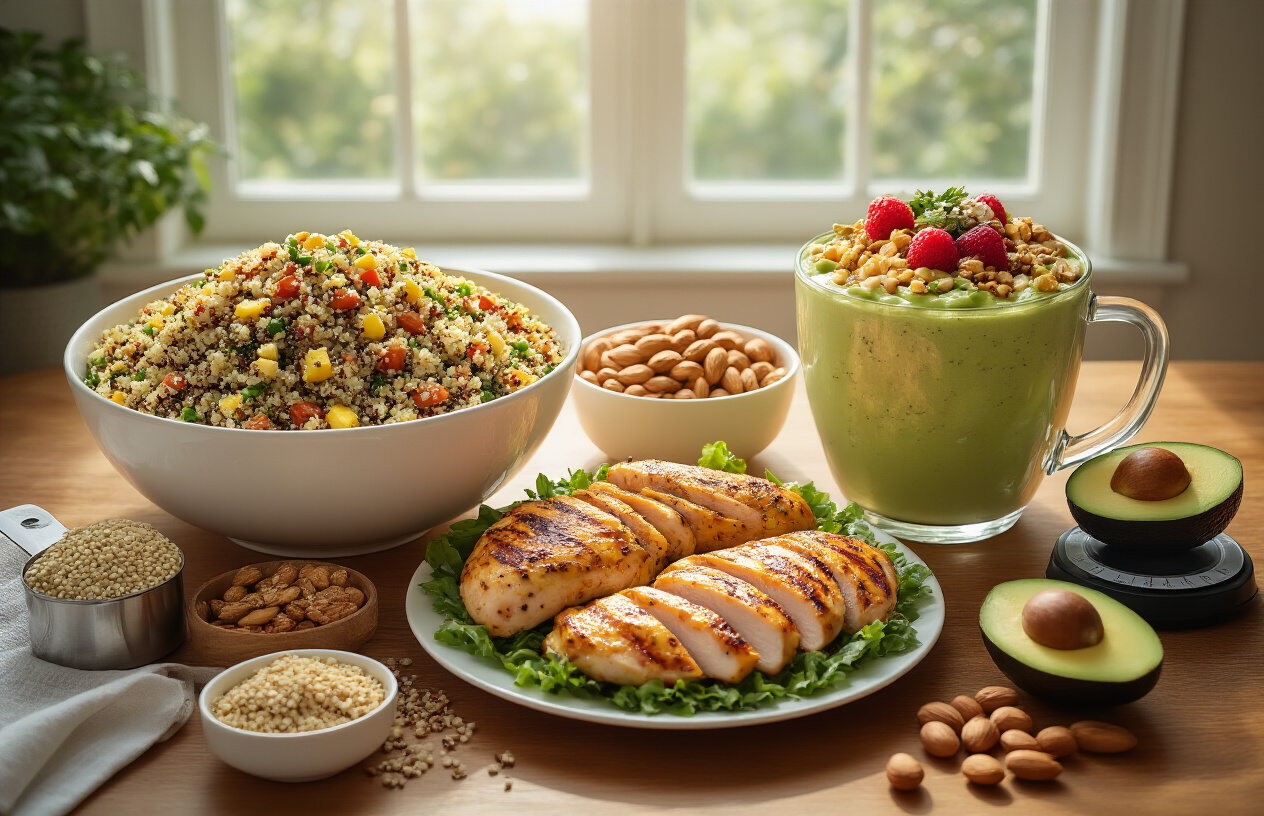
Now that we’ve covered various deceptive healthy foods, let’s examine how portion control mistakes can sabotage fitness goals even with genuinely nutritious choices. Wraps are often marketed as a healthier alternative to sandwiches, but they can be surprisingly high in calories and carbs, sometimes more than two slices of bread. Oversized wraps can contain over 200 calories before adding any fillings, as many use refined flours and added oils.
Deceptive Serving Sizes Make It Easy to Overeat Healthy Foods
Many so-called healthy foods high in calories are packed with deceptive serving sizes, making it easy to overeat. Granola often has small serving sizes (usually 1/4 to 1/2 cup) that are easy to exceed, and trail mix calories add up fast, especially when eaten by the handful. Proper portion control for trail mix should be around 1 ounce or 1/4 cup to avoid these fitness diet mistakes.
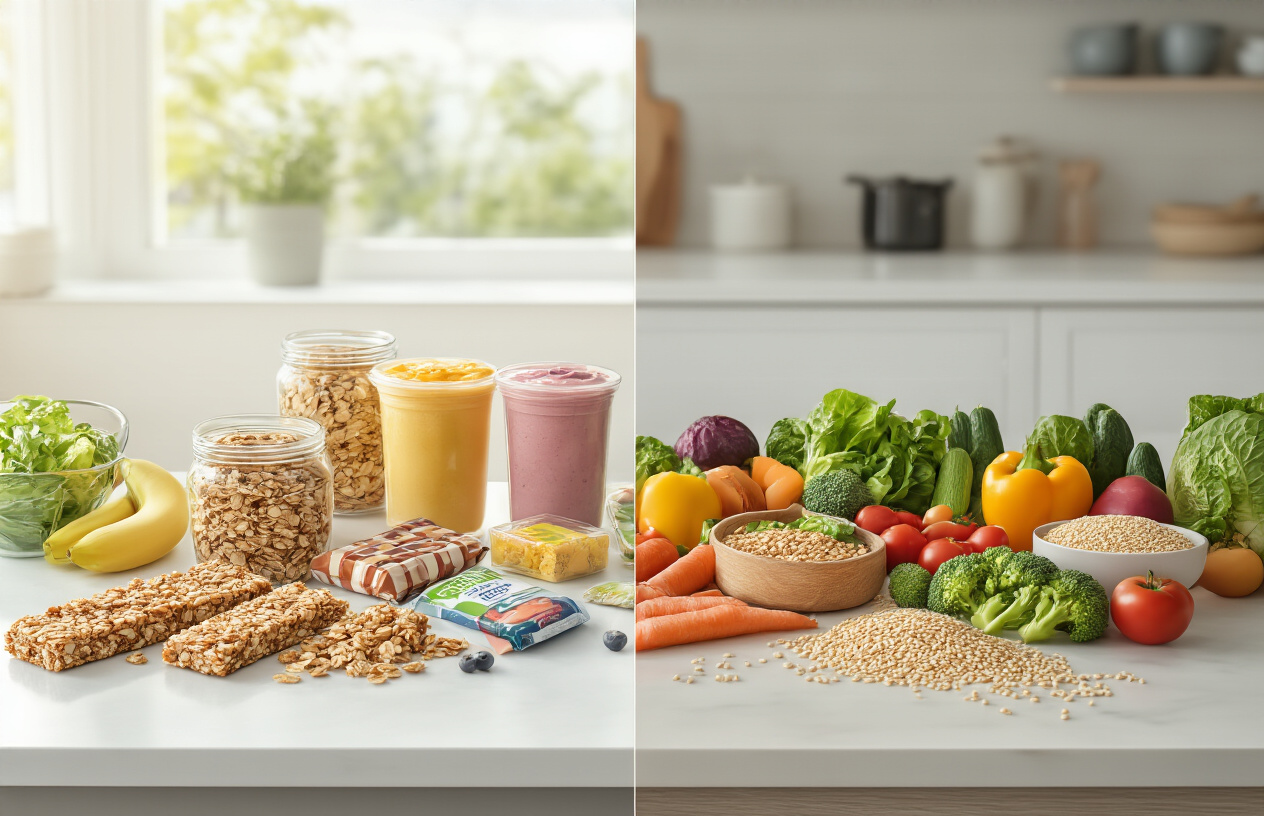
Navigating the world of seemingly healthy foods requires more awareness than you might expect. From breakfast options packed with hidden sugars to gluten-free products that don’t deliver on their health promises, many foods marketed as nutritious can quietly undermine your fitness progress. Fresh foods transformed through processing and portion control mistakes can turn even genuinely healthy choices into calorie bombs that sabotage your goals.
The key to avoiding these common pitfalls lies in reading nutrition labels carefully, watching portion sizes, and choosing whole, minimally processed foods whenever possible. Rather than relying on health claims and marketing promises, focus on understanding what’s actually in your food. By staying informed about these sneaky saboteurs and making more conscious choices, you can keep your fitness journey on track and avoid the frustration of wondering why your healthy eating isn’t delivering the results you expect.